Why Colostrum Determines the Survival of Your Newborn Calf, lamb or kid.
Colostrum provides newborn calves, lambs and kids with essential antibodies, energy and nutrients needed for early survival. Learn why timing, quality and proper colostrum management are critical for giving newborn livestock the best start in life.
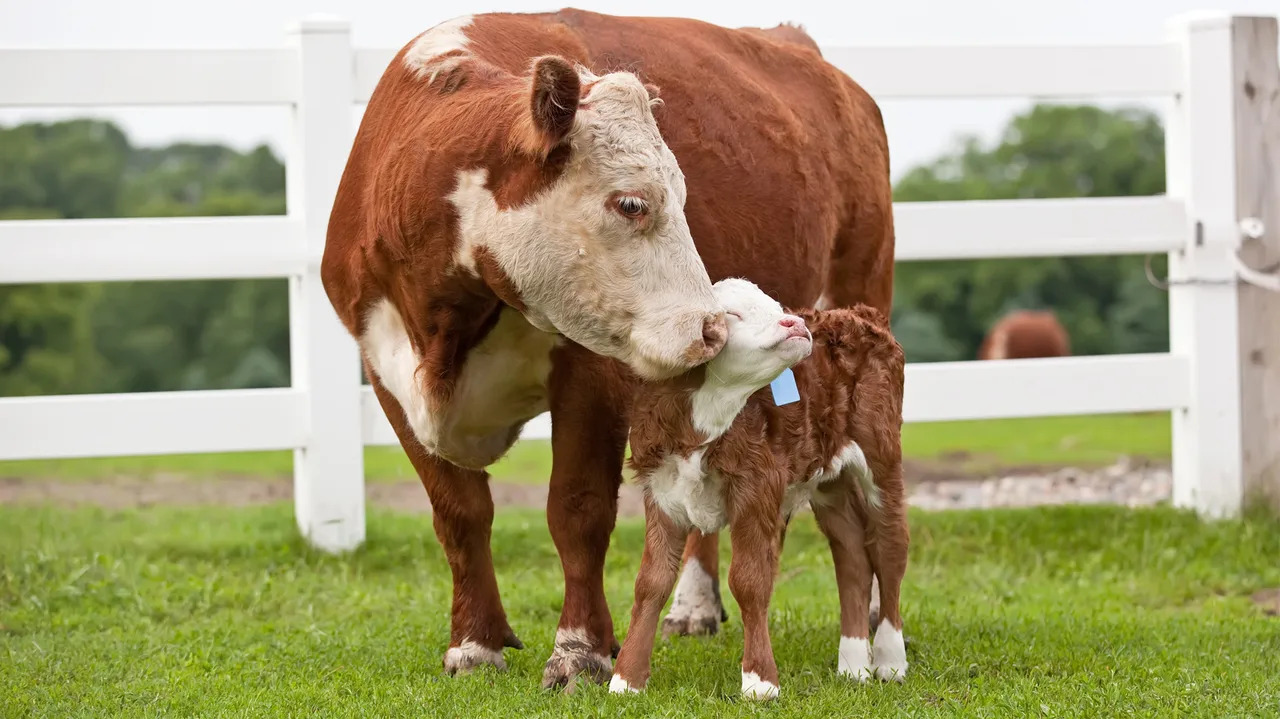
The first few hours after birth are some of the most important in the life of a calf, lamb or kid. A newborn may look healthy, stand quickly and begin searching for its mother, but its ability to fight disease is still very limited.
This is where colostrum becomes critical.
Colostrum is the first milk produced by the mother immediately after giving birth. It is thicker and more concentrated than normal milk and contains high levels of antibodies, energy, protein, vitamins and other nutrients needed by the newborn.
For livestock farmers, good colostrum management is therefore not simply about feeding. It is one of the first and most important health-management practices after birth.
Why is colostrum so important?
Calves, lambs and kids are born with very little circulating antibody protection because of the structure of the ruminant placenta. During pregnancy, maternal antibodies do not cross the placenta in meaningful amounts to provide the newborn with the protection it needs after birth.
Instead, the newborn receives this protection primarily by drinking colostrum.
Colostrum contains antibodies known as immunoglobulins, particularly IgG. Once absorbed into the bloodstream, these antibodies provide what is known as passive immunity which is temporary protection while the young animal's own immune system develops.
This helps protect newborns against infections that can contribute to problems such as diarrhoea (scours), septicaemia, pneumonia and other early-life diseases.
But there is a catch:
The newborn's ability to absorb these antibodies decreases rapidly after birth.
That is why timing matters.
The earlier, the better
A calf, lamb or kid should receive good-quality colostrum as soon as possible after birth, ideally within the first few hours of life.
The intestine is most efficient at absorbing antibodies shortly after birth. As the hours pass, this ability progressively declines, and by around 24 hours the opportunity for meaningful absorption of intact antibodies into the bloodstream is largely lost.
This means that simply seeing a newborn suckling later in the day does not necessarily mean that adequate passive immunity has been achieved.
Farmers should actively check newborn animals rather than assuming that they have consumed enough colostrum.
Don't assume the mother has enough
One of the most common mistakes during calving, lambing and kidding is assuming that because the mother has given birth, adequate colostrum will automatically be available.
Several problems can interfere with colostrum intake.
A ewe, doe or cow may have poor milk production, blocked or damaged teats, mastitis or a difficult udder shape. First-time mothers may also be inexperienced or reluctant to allow the newborn to suckle.
The problem may also be with the newborn. Weak animals, difficult births, cold stress, premature births and multiple births can all reduce the animal's ability to stand and suckle effectively.
This is why farmers should physically inspect the udder and observe the newborn drinking, particularly with high-risk births.
Multiple births need extra attention
Twins and triplets deserve particular attention in sheep and goats.
The mother's available colostrum must now be shared between several offspring, and smaller or weaker newborns can easily be pushed away by stronger siblings.
Where necessary, the farmer may need to assist weaker animals to suckle or provide additional stored colostrum.
This is one reason why keeping a colostrum bank can be extremely valuable on sheep, goat and cattle farms.
Build a colostrum bank before you need one
Do not wait until you have a weak newborn at 2 a.m. to start looking for colostrum.
Where a healthy cow, ewe or doe has more good-quality colostrum than her offspring require, the surplus can be collected hygienically and frozen in clean, clearly labelled containers or suitable freezer bags.
Record important information such as the date collected and donor animal.
Smaller portions are particularly useful because they allow the farmer to thaw only what is required instead of repeatedly thawing a large container.
When frozen colostrum is needed, it should be thawed gently in warm water rather than aggressively overheated or boiled. Excessive heat can damage the antibodies that make colostrum so valuable.
A good-quality commercial colostrum replacer can also be useful when suitable maternal colostrum is unavailable.
Quality matters as much as availability
Not all colostrum is equal.
Its antibody concentration can vary according to the mother, nutrition, health, time between birth and collection, and whether milk has already been removed or leaked from the udder.
On farms where newborn management is particularly important, a Brix refractometer can provide a practical way of assessing colostrum quality, especially in cattle.
This changes colostrum management from simply asking:
"Did the calf drink?"
to asking:
"Did the calf receive enough good-quality colostrum early enough?"
That is a much better management question.
Colostrum does more than provide antibodies
Although immunity receives most of the attention, colostrum has another major role: Energy.
Newborn animals have limited energy reserves and can lose body heat rapidly, particularly during cold, wet or windy conditions.
Colostrum supplies concentrated nutrients that help the newborn generate heat, become stronger and remain active enough to continue suckling.
This is particularly important for lambs and kids because of their small body size and susceptibility to hypothermia.
A cold, weak newborn can quickly enter a dangerous cycle:
Cold → weakness → reduced suckling → lower energy intake → further weakness.
Good newborn management therefore combines colostrum with warmth, a dry environment and close observation.
Practical colostrum checklist for farmers
During calving, lambing or kidding season:
- Observe every newborn and confirm that it stands and suckles.
- Check the mother's udder and teats for milk flow, injury, blockage or mastitis.
- Ensure colostrum is consumed as early as possible after birth.
- Pay additional attention to twins, triplets, weak newborns and animals following difficult births.
- Keep suitable frozen colostrum reserves where possible.
- Store colostrum hygienically in clearly labelled portions.
- Thaw frozen colostrum gently rather than exposing it to excessive heat.
- Keep a suitable commercial colostrum replacer available where practical.
- Record births and problems so recurring issues can be identified and managed.
Colostrum management is prevention
Farmers often spend significant amounts of money treating sick calves, lambs and kids after problems develop.
But some of the most valuable disease prevention takes place before those animals are even a day old.
A newborn that receives sufficient, good quality colostrum early has a much stronger foundation for survival and growth than one that receives inadequate colostrum or receives it too late.
Good breeding decisions, nutrition, vaccination and disease control programs all matter but the newborn still needs to successfully make it through those first critical hours.
Colostrum is not simply the first milk. It is the newborn's first nutritional support, first source of passive immune protection and one of the farmer's most important tools for improving early-life survival.
At birth, don't simply record that the cow calved, the ewe lambed or the doe kidded.
Check the newborn. Check the udder. Confirm that it has suckled.
Those few minutes of management can make the difference between treating a struggling animal later and raising a healthy calf, lamb or kid.
Explore Topics
Written by
Setlago Rehlotse
Content creator and writer sharing insights and stories.