Surviving Dry & Drought Seasons As A Developing Livestock Producer
Winter and drought put livestock condition, fertility and farm income under pressure. Learn how developing farmers with limited land and budgets can use targeted feeding, better grazing management and timely decisions to protect their breeding animals.
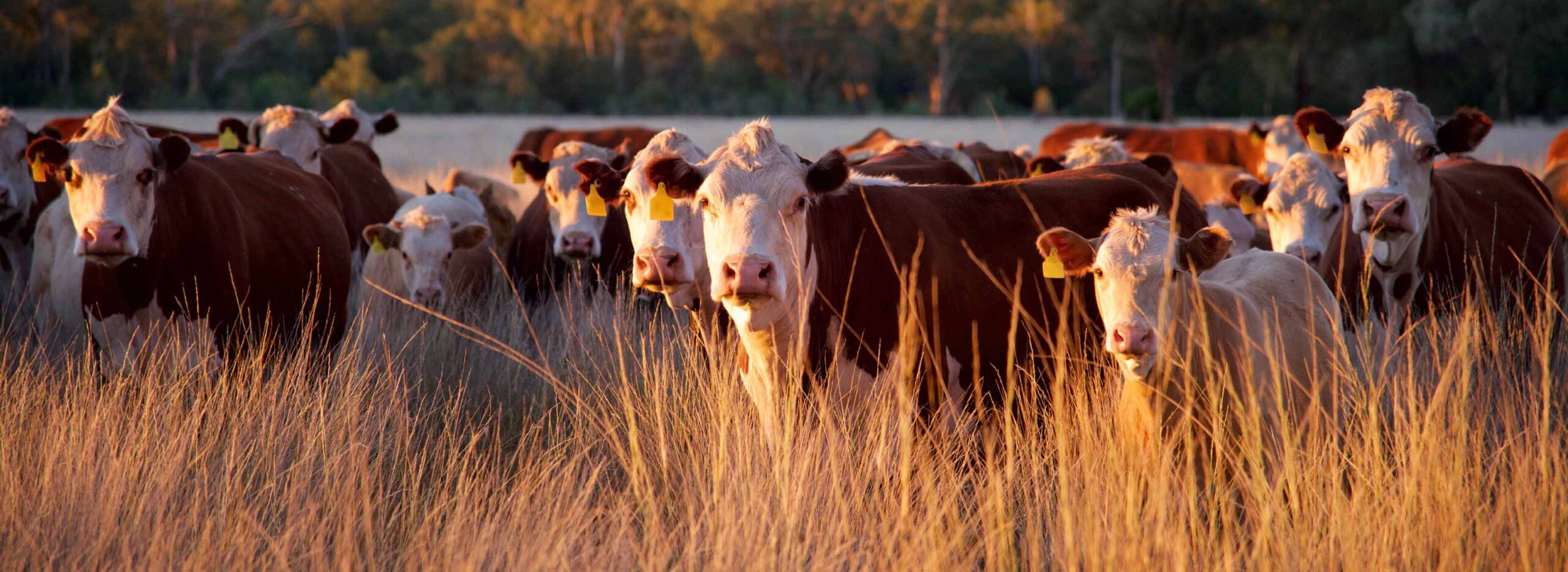
For many developing livestock farmers, winter brings a difficult decision: how do you keep animals in good condition when grazing is declining, feed is expensive and there is little money available?
Drought makes this challenge even harder. Farmers with limited land cannot simply move animals to another camp with enough grass. Buying feed for every animal, every day, can quickly become unaffordable.
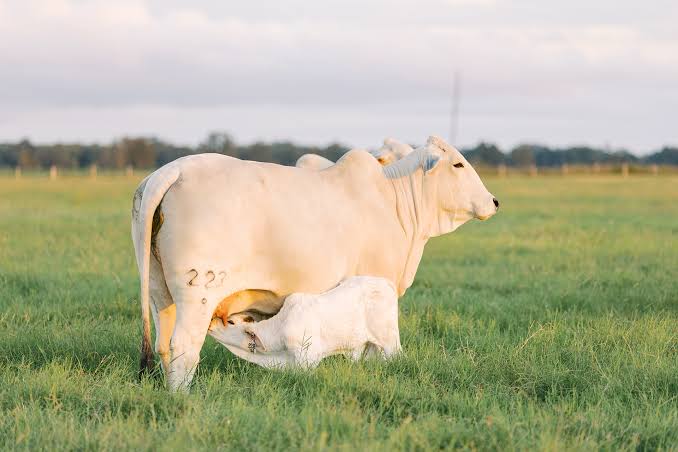
Yet allowing animals to lose too much condition also carries a cost. Poor nutrition can compromise health, delay conception and reduce the ability of mothers to support their offspring. The consequences may only become fully visible months later, through fewer pregnancies, weaker newborns and fewer animals available for sale.
Protecting production starts with deciding how many animals the farm can support, which animals need the most attention and what the available feed is actually missing.
Start with the land and feed you have
Before buying another bag of feed, assess the resources available. How much usable grazing remains? What hay or crop residues can you access? How long must these resources last? Is there enough reliable drinking water?
Stocking decisions must reflect current veld condition and expected feed availability. A farm that supports a particular number of animals during a good rainy season may not support the same number through winter or drought. Mashikara identifies veld assessment, stocking rates and fodder-flow planning as central to managing this challenge.
Where grazing is shared, this assessment needs cooperation between livestock owners. Resting one area achieves little if animals from elsewhere continue grazing it.
Moving animals between small camps can help manage utilisation, but rotation cannot produce grass without moisture and recovery time. When the total feed supply is inadequate, farmers must bring in feed, secure additional grazing or reduce livestock numbers.
Understand what a lick can and cannot do
There is an important difference between having plenty of dry grass with poor nutritional value and having almost no grass left.
Where sufficient dry roughage remains, an appropriate protein supplement can help the microbes in the rumen digest and utilise it. However, animals may also need additional energy, especially during late pregnancy, milk production or severe cold. A protein lick alone will not necessarily meet those needs.
When the veld is bare, the problem includes the quantity of feed available. A lick cannot replace the missing daily ration. The farmer now needs enough suitable feed to cover that shortfall, with adequate fibre and a balance of nutrients.
This distinction matters financially. Buying supplements while animals continue searching an empty camp for grass can consume money without stopping condition loss.
Use urea containing products only as directed for the intended animals and feeding conditions. Do not improvise mixtures or increase inclusion rates to make feed “stronger”. Their safe use depends on the total diet and intake.
Monitor condition before animals become visibly thin
Body condition scoring helps farmers assess the reserves an animal carries. It is more useful than relying only on a full-looking stomach, thick hair or wool.
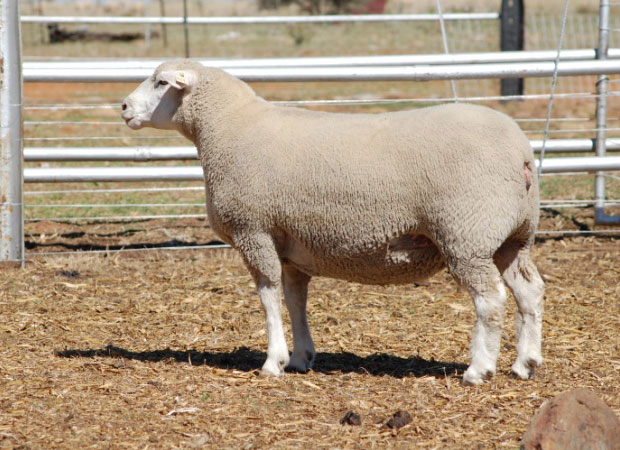
For sheep and goats, handling the animals is important. Learn the correct scoring technique and use the same system consistently. A practical routine is to assess breeding animals every two to four weeks during a difficult season, checking vulnerable animals more frequently.
For many breeding ewes and meat-goat does, a condition score around 3 on a five-point scale provides a useful starting target, although requirements vary with production stage and management. Cattle may be scored on different scales, so the number must always be linked to the system used.
Record which animals are maintaining, gaining or losing condition. A falling trend is a signal to review feed availability, access to troughs and possible health problems before the animal becomes severely thin.
Feed according to need
Feeding the entire herd or flock the same ration can waste scarce resources. A mature, dry female in good condition has different requirements from a growing first-time mother or a female nursing twins.
Where facilities allow, separate animals into practical feeding groups:
- Females in late pregnancy and early lactation.
- Thin breeding females and young replacement animals.
- Mature animals in adequate condition with lower nutritional demands.
Pregnancy diagnosis can help identify empty females and, where scanning is available, separate ewes carrying singles from those carrying multiples. This allows better feed to reach the animals that need it most.
Even a simple temporary partition can improve feeding control. Provide enough trough space so timid animals can eat. A ration calculated for ten animals will not work as intended if the strongest three consume most of it.
Plan breeding around the feed supply
Breeding dates determine when the greatest feeding demands will occur. Late pregnancy and early lactation require more nutritional support than maintenance alone.
Where possible, plan calving, lambing or kidding around the period when dependable feed is normally available locally. Allow for the fact that the first rain does not immediately produce enough grazing. Females carrying multiple offspring need particular attention as pregnancy advances.
For sheep and goats, improving nutrition shortly before and during mating often called flushing can improve reproductive performance in suitable animals. However, the response varies with starting condition and existing nutrition. It is not a quick repair for severe underfeeding.
Before spending money to encourage more twins, ask whether the farm can feed those mothers through pregnancy and milk production. More pregnancies or multiple births only benefit the business when mothers and offspring can be supported.
Bulls, rams and bucks also need preparation. Check their condition, feet and breeding soundness before mating; well-fed females cannot compensate for a male with poor fertility.
Compare the cost of feeding an animal, not just the price of a bag
A cheaper bag is not automatically a cheaper feeding programme. Compare feeds by the nutrients they supply, the quantity required, transport costs and wastage.
For example, a supplement costing R400 per 40 kg bag costs R10/kg. At an illustrative intake of 200 g per animal daily, it costs R2 per animal per day. For 30 animals over 90 days, that is R5,400 for the supplement alone.
This is a budgeting example, not a feeding recommendation. Actual quantities depend on the species, body weight, production stage, forage and product instructions.
Write down:
Daily feed cost per animal × number of animals × expected feeding days.
Then add roughage, transport and likely wastage. Comparing suitable feeding options this way is more useful than comparing bag prices alone. Nutritional requirements and feeding rates must be assessed together.
Use local feed resources carefully
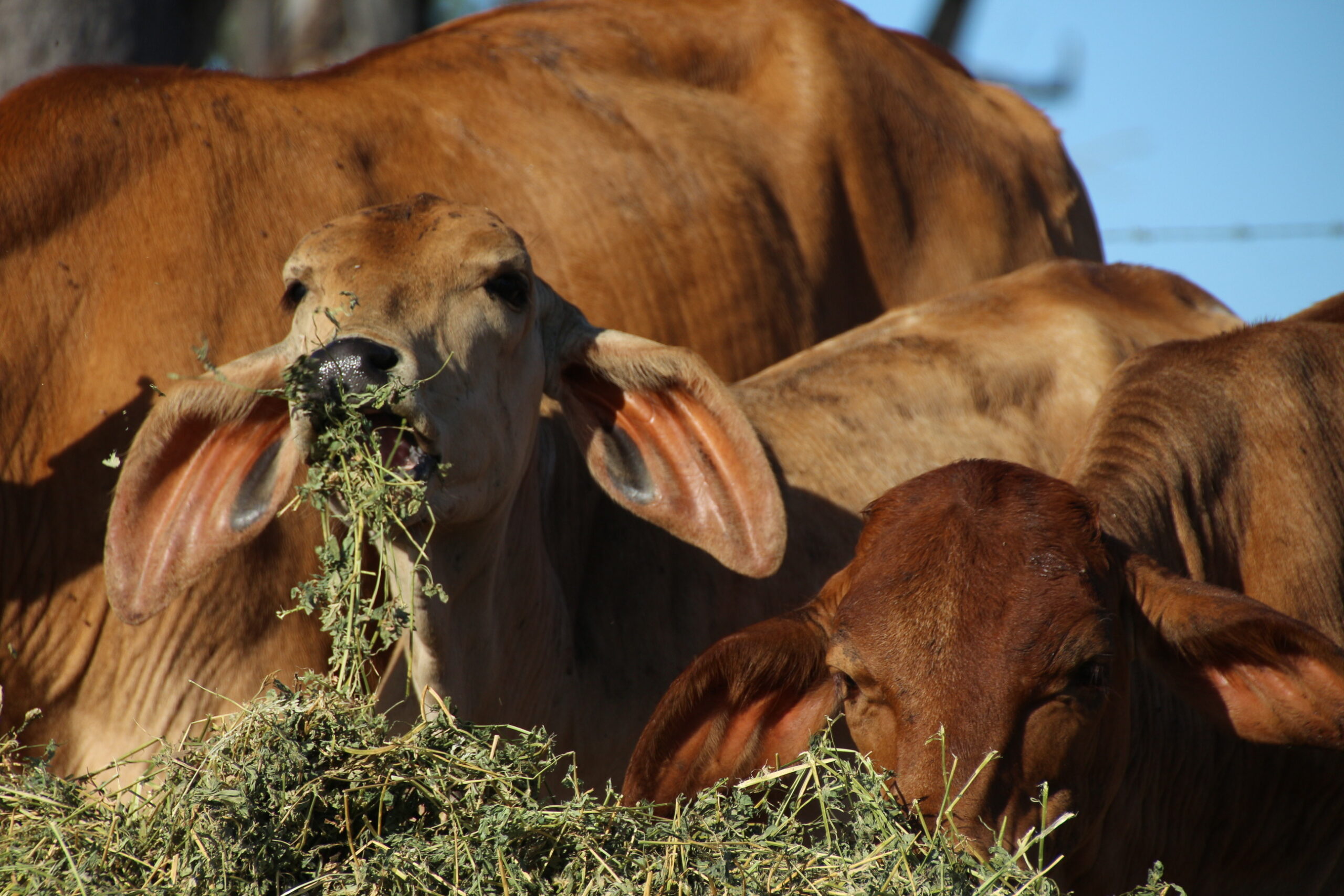
Hay, maize stover and other suitable crop residues may help extend the feed supply. However, bulky material is not necessarily nutritious enough for a pregnant or lactating animal. Poor-quality residues often need supplementation.
Where affordable, testing a representative feed sample can help avoid spending money on the wrong supplement. An adviser or nutritionist can then balance locally available ingredients for the animals being fed.
Farmers can also explore shared transport, collective purchasing and agreements with nearby crop farmers before the shortage becomes severe. Compare bale weights and quality rather than buying by appearance alone.
Protect purchased feed from rain and ground moisture, and use suitable troughs or hay racks to reduce trampling and contamination. Introduce grain-based rations gradually, with a suitable adaptation programme, because sudden changes can cause serious digestive problems.
Reduce demand before the situation becomes a crisis
When the feed budget cannot support the whole herd, selling selected animals early may protect the remaining breeding animals.
Review surplus males, animals already ready for market, persistently unproductive females and animals with poor teeth or recurring problems. Investigate why females are empty before automatically culling them, especially if poor nutrition or a male fertility problem affected the whole group.
Earlier weaning can reduce the nutritional burden on mothers, particularly in cattle. However, young animals then need suitable feed, water and management of their own. Assess the combined cost of feeding mothers and young stock before deciding.
Keeping every animal through a severe shortage can leave the farmer with depleted cash, damaged veld and a breeding herd in poor condition.
Protect the veld while supporting the animals
Where practical, a designated feeding area can reduce repeated grazing of already depleted camps. This can also protect recovering pasture after rain.
Such an area requires reliable water, adequate feeding space, drainage, shelter and daily management. Animals held there must receive sufficient feed; confinement itself does not reduce their nutritional requirements.
Water and shelter also deserve attention. Inadequate water can undermine feeding, while cold, wet and windy conditions increase energy demands. Simple, effective protection from harsh weather can support the feeding programme.
Persistent condition loss despite apparently adequate feeding should be investigated. Check feed access, teeth and health with an animal-health professional rather than repeatedly changing feed or treating blindly.
For a farmer with limited resources, the most useful measure of success is how many healthy, productive animals the farm can carry through the difficult season and how many offspring it can successfully rear. Early action, selective feeding and realistic stocking decisions give each rand spent on feed a better chance of protecting that outcome.
Explore Topics
Written by
Setlago Rehlotse
Content creator and writer sharing insights and stories.